


Is Education Important for My 2-Year-Old?
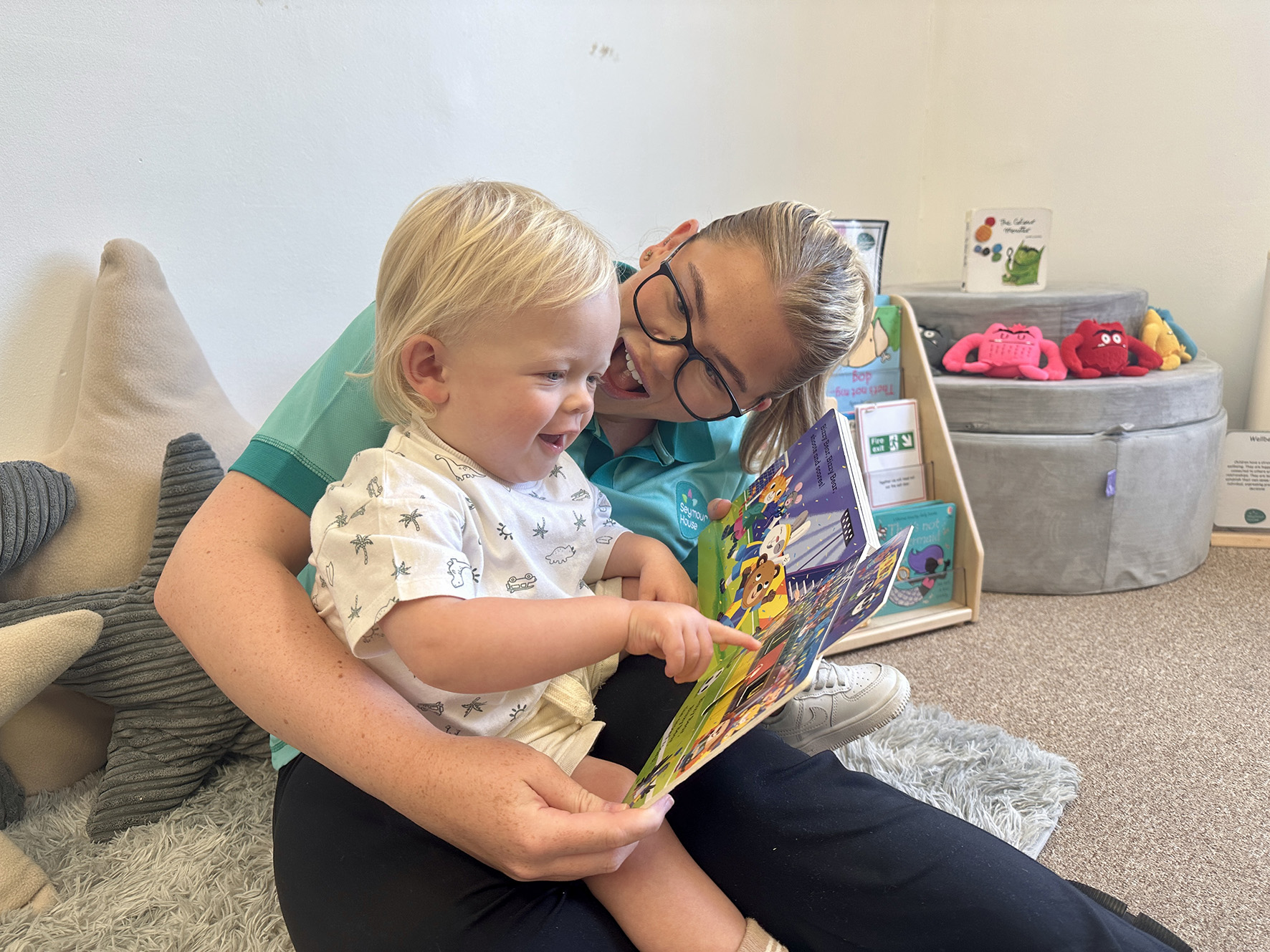
Yes, and the good news is, it’s already happening! Every single day, your 2-year-old is learning. From the moment they wake up to the moment they fall asleep, their brilliant little brain is absorbing, discovering and making sense of the world around them. Education for 2-year-olds isn’t about sitting at a desk or following a lesson plan. It’s about play, curiosity, connection and exploration. Whether your child is at home with you, attending nursery, or a wonderful mix of both, nurturing that natural love of learning at this age lays the foundations for everything that comes next.
Why is early education so important?
The early years, from birth to age five, are the most significant period of brain development in a child’s entire life. The connections formed during these years shape how children think, communicate, socialise and feel. Ofsted’s landmark research series, Best Start in Life, published in October 2024, makes it clear that early education is too important to be left to chance. A high-quality early years curriculum gives all children, particularly those who face additional challenges, the very best start.
That doesn’t mean pressure. It doesn’t mean learning to write stories or how to do multiplication! What it does mean is that the rich, playful, nurturing experiences children have between the ages of two and five genuinely matter and can have a lasting impact on the people they become.
What skills is my 2-year-old working on?
Two-year-olds are natural explorers. NHS developmental guidelines remind us that every child develops at their own pace. That’s something to celebrate, not worry about. But here’s what’s typically happening inside that curious little mind:
- Language and communication: Most 2-year-olds have a vocabulary of around 50 words and are beginning to put two words together. Research from Great Ormond Street Hospital notes that at around two, toddlers often build up to 100–200 words and love singing, action rhymes and naming things they can see.
- Physical development: From running and jumping to holding a crayon and turning the pages of a book, fine and gross motor skills are developing fast.
- Social and emotional skills: 2-year-olds are beginning to notice other children, learn about sharing and understand simple emotions.
- Imagination and creativity: Pretend play is in full swing. From ‘feeding’ a toy bear to ‘cooking’ in a play kitchen, this imaginative play is far more powerful than it looks.
- Problem solving and curiosity: Stacking, sorting, experimenting. Why does water splash? How does this fit together? These questions are the start of a scientific mind.
What is the EYFS and does it apply to my 2-year-old?
In England, all nurseries and early years settings follow the Early Years Foundation Stage (EYFS) framework. This is a government-backed set of standards that covers learning, development and care from birth to age five.
The EYFS identifies three prime areas for learning and forming relationships:
- Communication and language
- Personal, social and emotional development
- Physical development.
It also recognises four specific areas for igniting children’s curiosity:
- Literacy
- Mathematics
- Understanding the World
- Expressive Arts and Design.
At Seymour House, our passionate early years team carefully plans every experience around the EYFS framework, ensuring every child in our care is gently guided through each area in a way that feels magical, not pressured.
How does nursery education benefit a 2-year-old?
Nursery education for 2-year-olds offers something truly special, a world designed entirely with them in mind. Here’s what a brilliant nursery experience can do:
- Harness their imagination: Nurseries create rich environments full of invitations to explore, discover and create. Sensory trays, story time, outdoor adventures and messy play. Every activity is purposefully designed to spark curiosity and harness their imagination.
- Build confidence and social skills: Mixing with other little ones in a safe, nurturing setting helps children learn to take turns, communicate and develop those all-important friendships.
- Develop language and literacy: Through songs, stories, conversations and play, language blooms. Research consistently shows that rich language environments in the early years have a significant impact on literacy throughout school.
- Nurture emotional wellbeing: A great nursery team provides warmth, routine and consistency, which gives children the emotional security to take risks, try new things and grow.
- Lay the foundations for school readiness: Not by rushing childhood, but by building the skills, attitudes and love of learning that make the transition to school a happy one.
Inspirational Education at Seymour House Nurseries
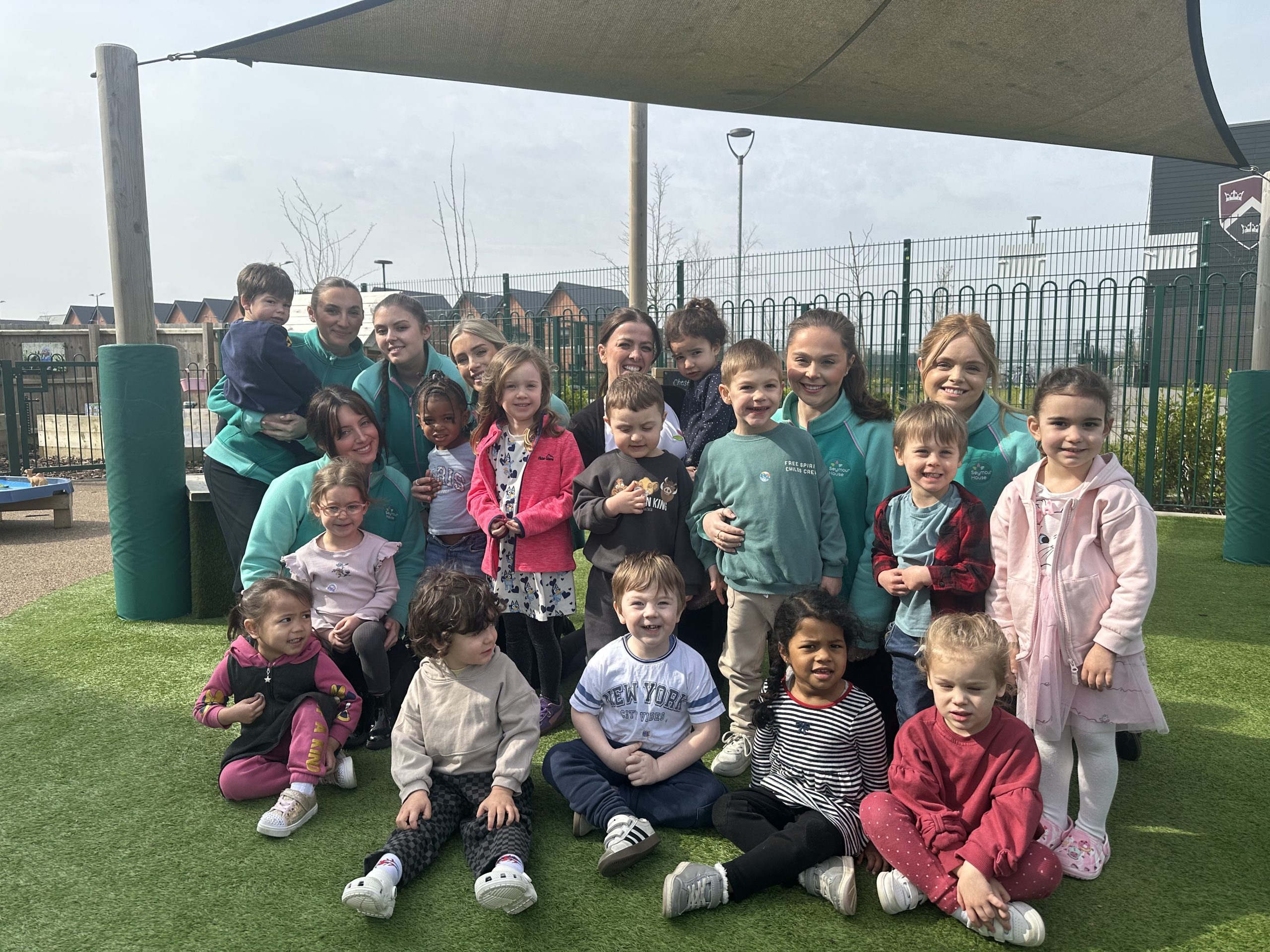
Seymour House is a group of 12 day nurseries across Essex and Hertfordshire, with over 35 years of experience delivering beyond brilliant early years education. Every one of our nurseries has a fantastic Ofsted rating, a testament to the passionate, dedicated teams who bring magic to the everyday.
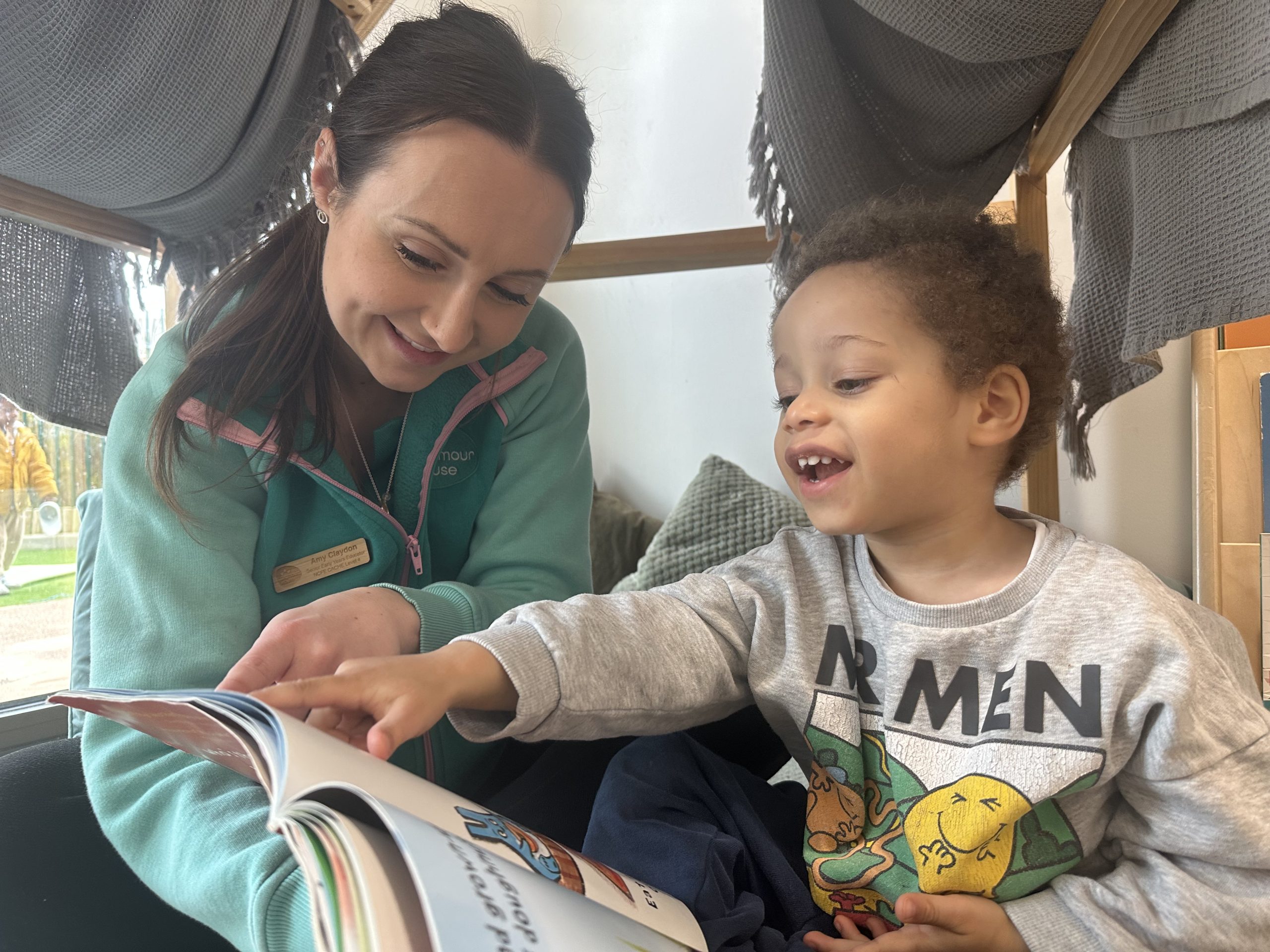
Our unique approach to inspirational education draws on the EYFS framework, the latest early years research, and a deep belief that when children harness their imagination, they can become anything they want to be. We nurture the whole child, their body, their mind and their character, guided by wholesome values and a genuine love of learning.
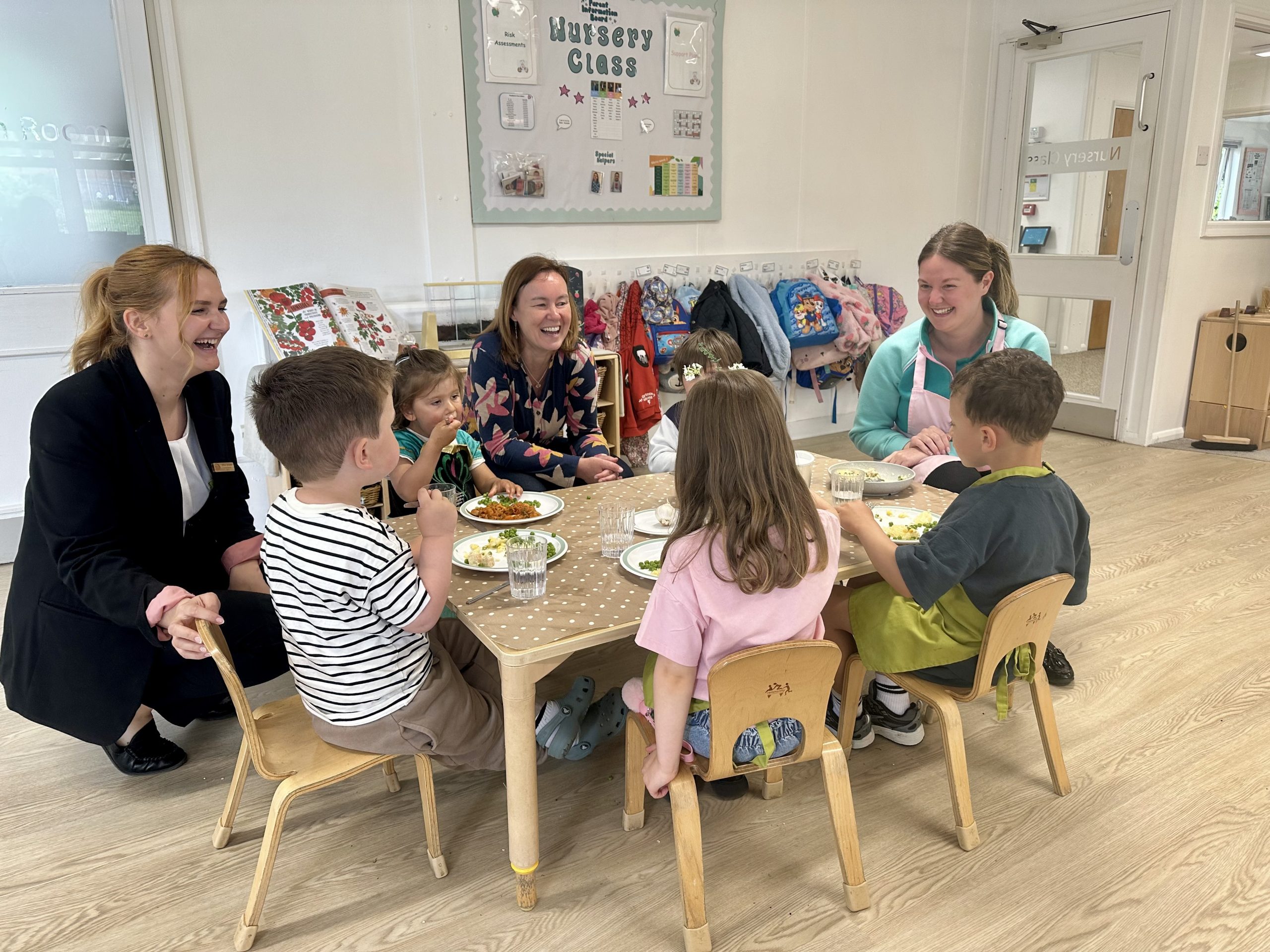
From next-level mealtimes full of healthy, freshly prepared food to outdoor discovery sessions that ignite a sense of wonder, every part of the Seymour House day is thoughtfully crafted. Because we believe early education isn’t something that happens to children, it’s something that happens with them.
Not at nursery yet? Your 2-year-old is still learning every day
If your child isn’t at nursery yet, that’s absolutely fine. The home is one of the most powerful learning environments there is. You are your child’s first and most important teacher. The conversations you have, the books you read together, the games you play, the songs you sing, all of it is education. NHS-supported guidance confirms that toddlers learn through interacting with the world around them and parents play a vital role in that. During the toddler years, learning happens through exploration. You don’t need expensive toys or structured sessions. You just need time, attention and a sense of fun.
5 magical learning activities for 2-year-olds at home
Here are some wonderfully simple ways to nurture your toddler’s learning every day:
1. Treasure Basket Play
Fill a basket with safe everyday objects, for example a wooden spoon, a small mirror, a fabric square and a lemon. Let your toddler explore freely. This stimulates all the senses and builds curiosity, problem-solving and language as you talk about what they’re finding.
2. Puddle Stomping and Outdoor Exploring
The garden, the park, even the pavement, the outdoors is a classroom. Collect leaves, spot birds, jump in puddles or talk about colours and textures. Physical development and understanding of the world, all rolled into one muddy afternoon.
3. Messy Play
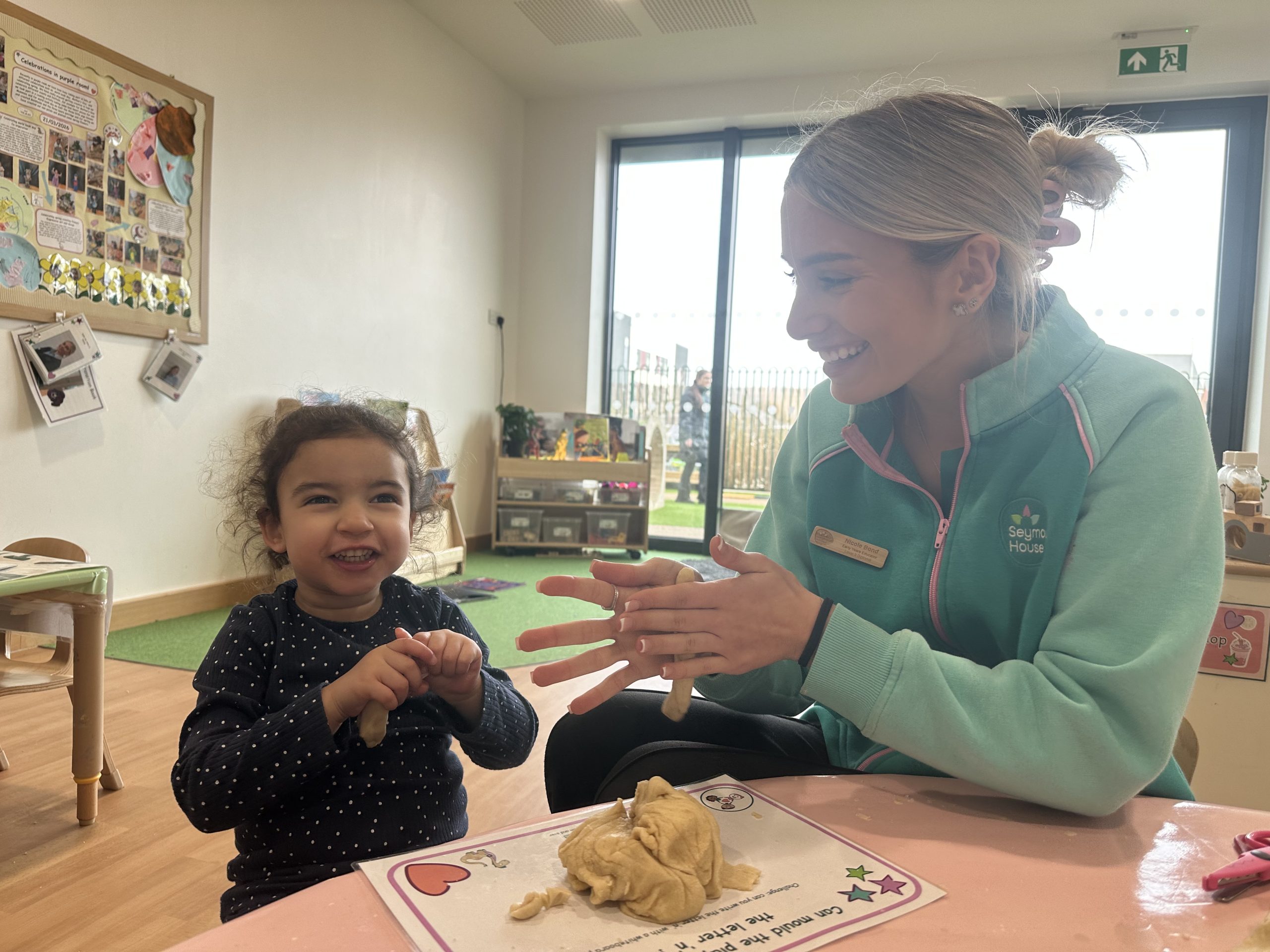
Homemade playdough, finger painting, or water play with cups and bottles. Messy play is rich learning in disguise. It builds fine motor skills, creativity and scientific thinking. Pop an old shower curtain on the floor and let the magic happen.
4. Storytime Every Day
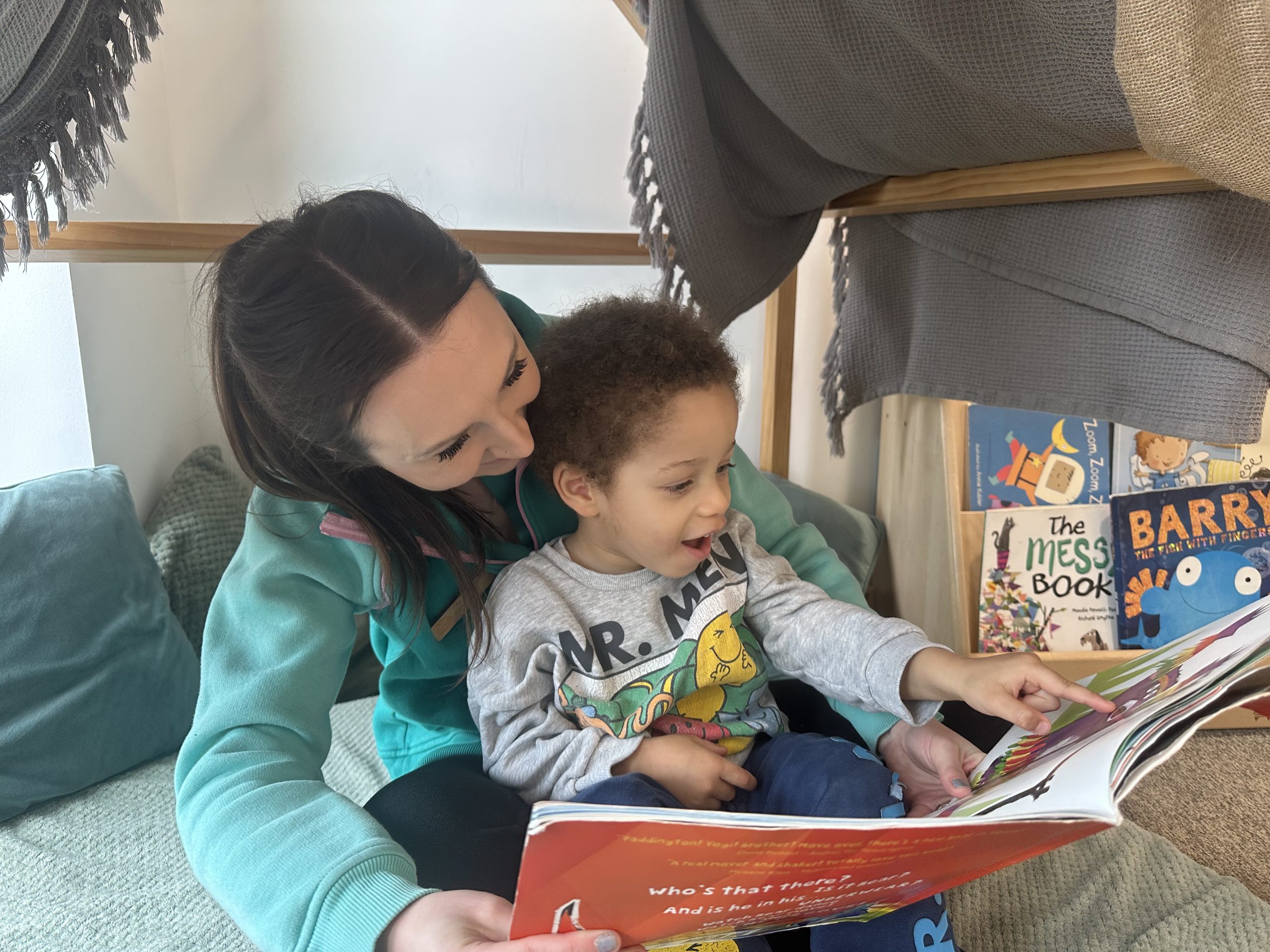
Reading together is one of the most powerful things you can do for your 2-year-old. It builds vocabulary, concentration, emotional understanding and a lifelong love of stories. Ask questions as you read: ‘What do you think happens next?’ or ‘How is the bear feeling?’
5. Helping with Real Tasks
Toddlers love to feel useful. Involve them in simple tasks like washing vegetables, sorting laundry by colour or watering a plant. These everyday activities teach maths concepts, language, independence and wholesome values around contributing to family life.
Ready to Find Out More?
Seymour House nurseries are home to 12 beyond brilliant early years settings across Essex and Hertfordshire. Whether your little one is ready to start their nursery journey or you’d like to learn more about nursery education for 2-year-olds, we’d love to hear from you.
Find your nearest Seymour House nursery and book a visit, because every child deserves a beyond brilliant start.
Frequently Asked Questions About Nursery Education for 2-Year-Olds
Is nursery education compulsory for 2-year-olds in England?
No. Education doesn’t become compulsory in England until the term after a child’s fifth birthday. However, families may choose nursery education from age two, or even earlier, to give their child the benefits of structured early learning, social development and professional early years support.
Can 2-year-olds get funded nursery hours?
Yes. In England, eligible families can access funded childcare. We have prepared a Seymour House Funding Guide which give you lots more information on this.
What do 2-year-olds learn at nursery?
Through play-based learning guided by the EYFS framework, 2-year-olds at nursery develop communication and language, physical skills, personal and social confidence, early maths and literacy foundations, creativity and an understanding of the world around them.
How do I know if my child is ready for nursery?
There’s no one-size-fits-all answer. Most children thrive in nursery from age two. The social interaction, the stimulating environment and the dedicated early years team all make a wonderful difference. If you’re unsure, book a visit to your nearest Seymour House nursery. Seeing the magic for yourself is often the best way to know.